

New possibilities at the heart of Mulhouse!

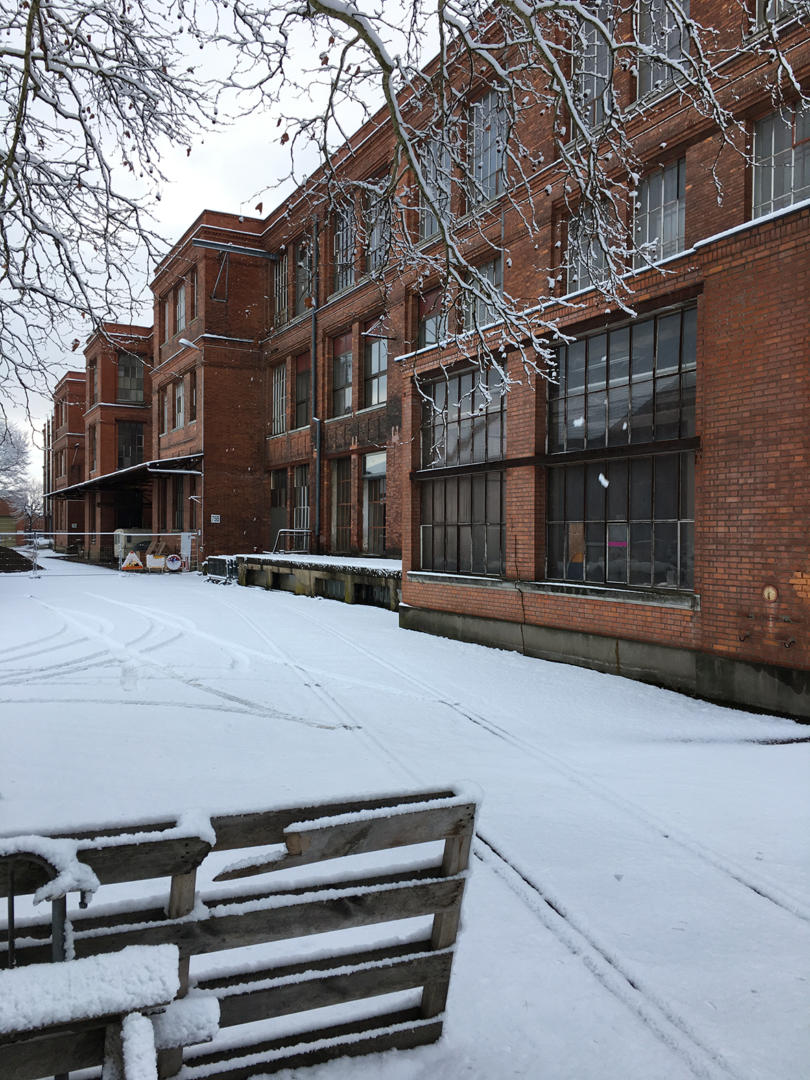
Since the mid-18th century, the history of the city of Mulhouse has been intertwined with the various industrial revolutions. Its urban landscape is still deeply marked today by the presence of former factories, often the size of an entire neighborhood. The textile industry was the historic driving force behind this expansion, which saw Mulhouse grow from fewer than 10,000 inhabitants in 1800 to more than 100,000 in 1910!

“In 1850, the DMC site covered nearly 40 hectares. It consisted of a series of industrial buildings: a cotton spinning mill, a mechanical weaving workshop made up of two buildings with two pumps, and a printed textile factory […]. Added to this were 21 hectares of meadows used for drying fabrics, 7 hectares of plowed land, and various forests, including a poplar grove necessary for producing the wood used to carve printing blocks. The site also contained a farm with 30 cows supplying a raw material—manure—as well as two English-style ornamental gardens covering nearly two hectares.” (P. Fluck)

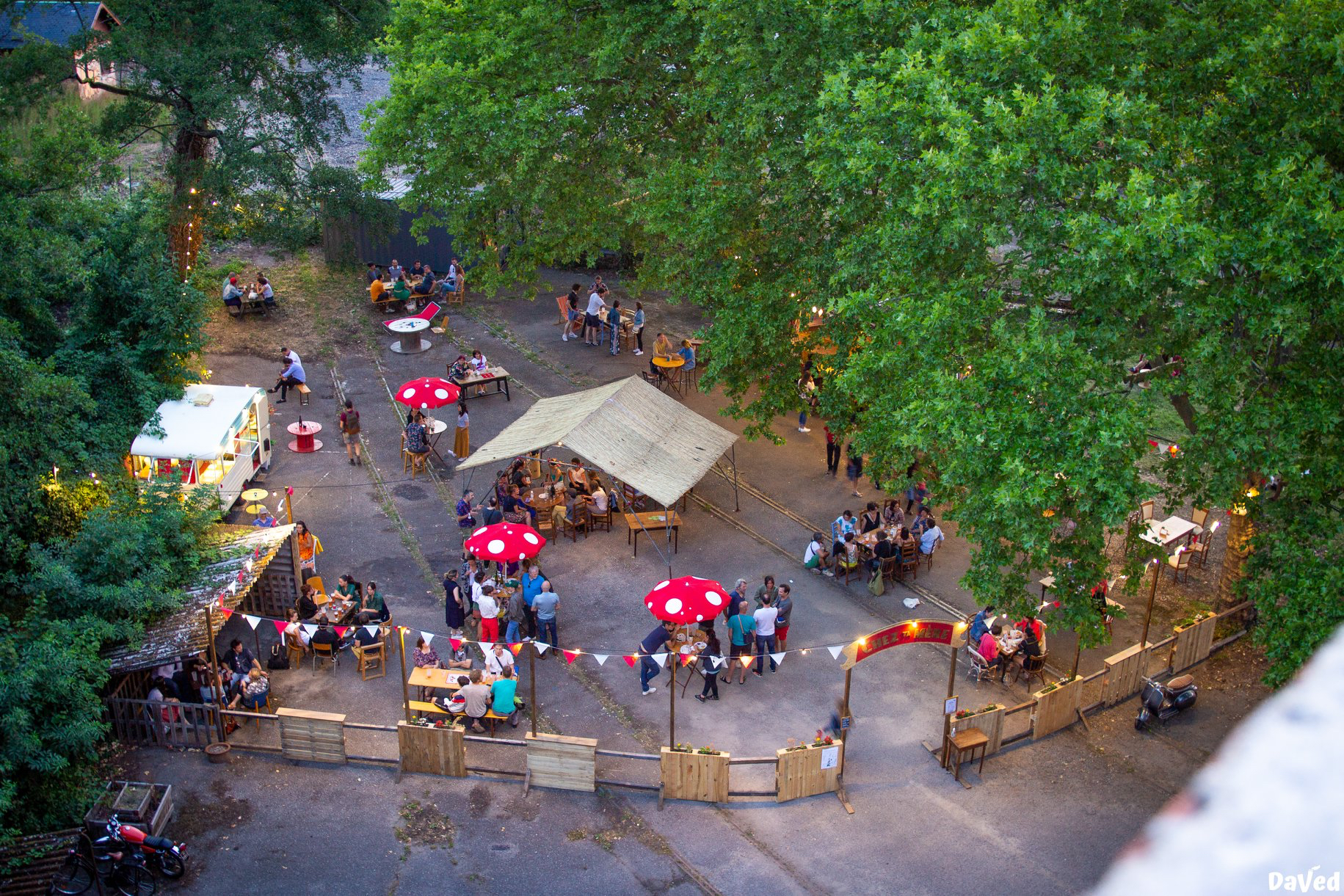
The DMC site is the largest disused industrial site in Southern Alsace. The challenge of its transformation now concerns 12 hectares and 100,000 m² of built space within a site that overall covers 70 hectares, in the heart of Mulhouse.

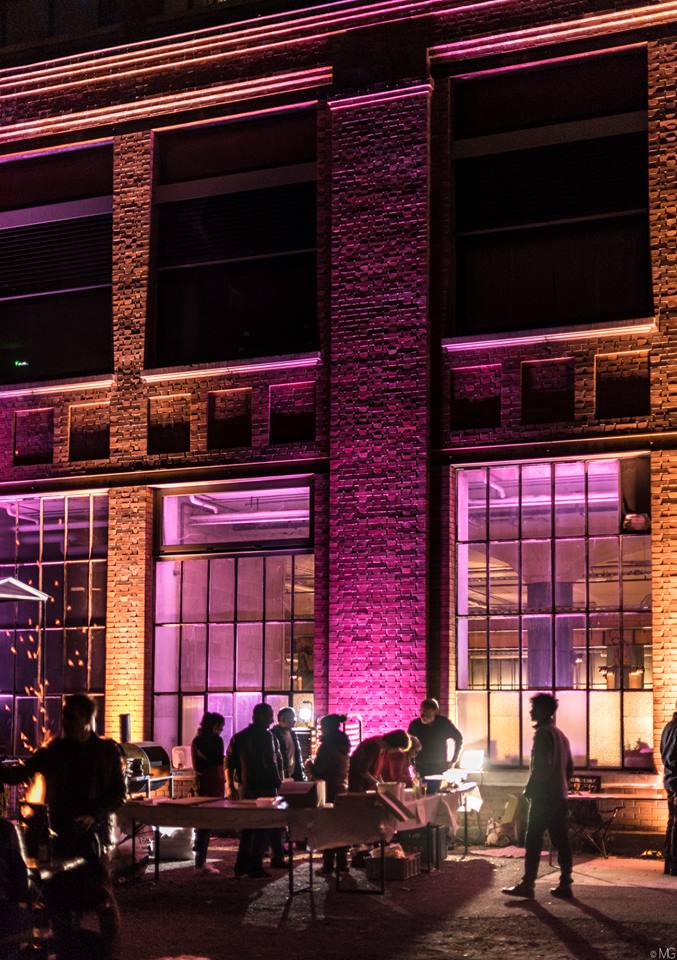
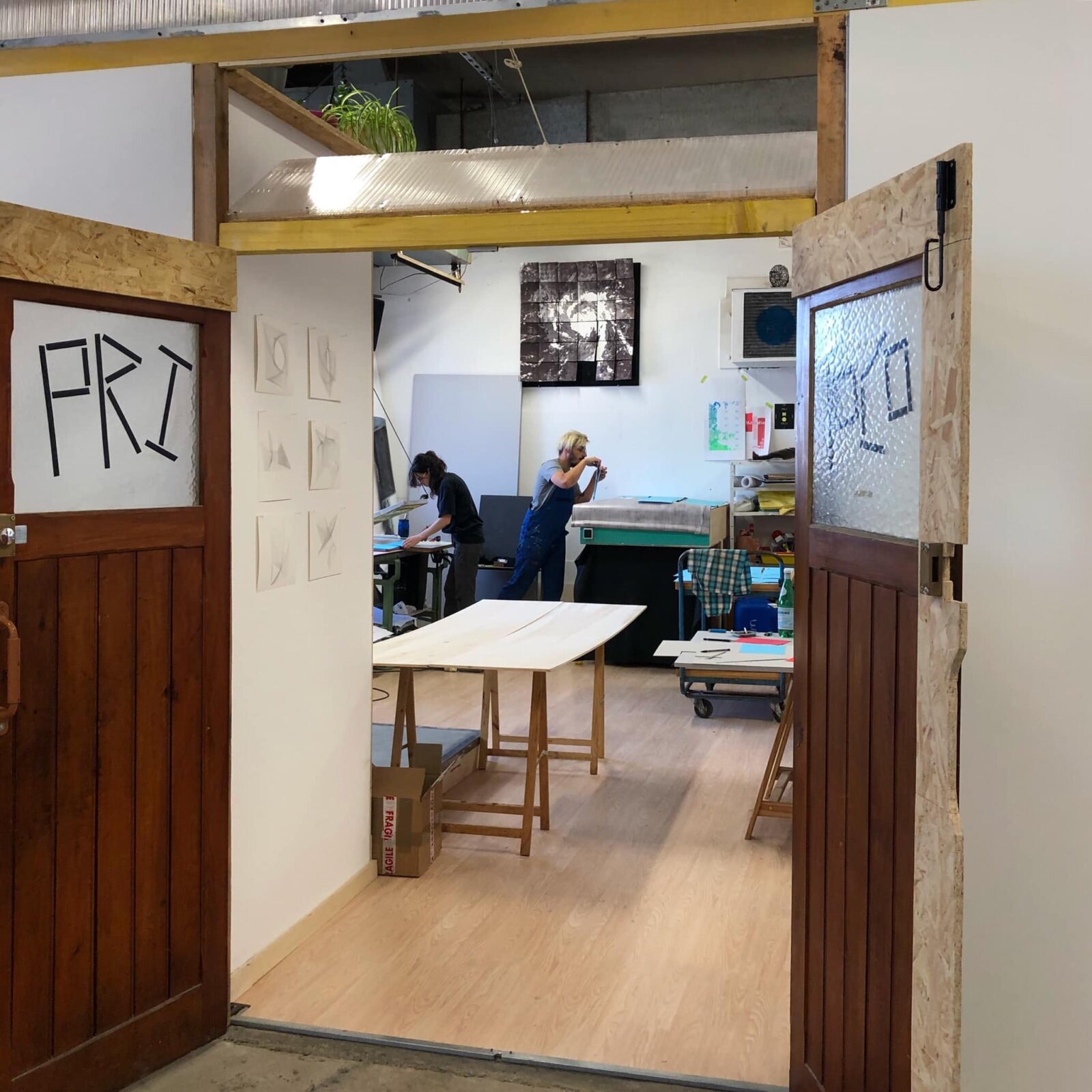
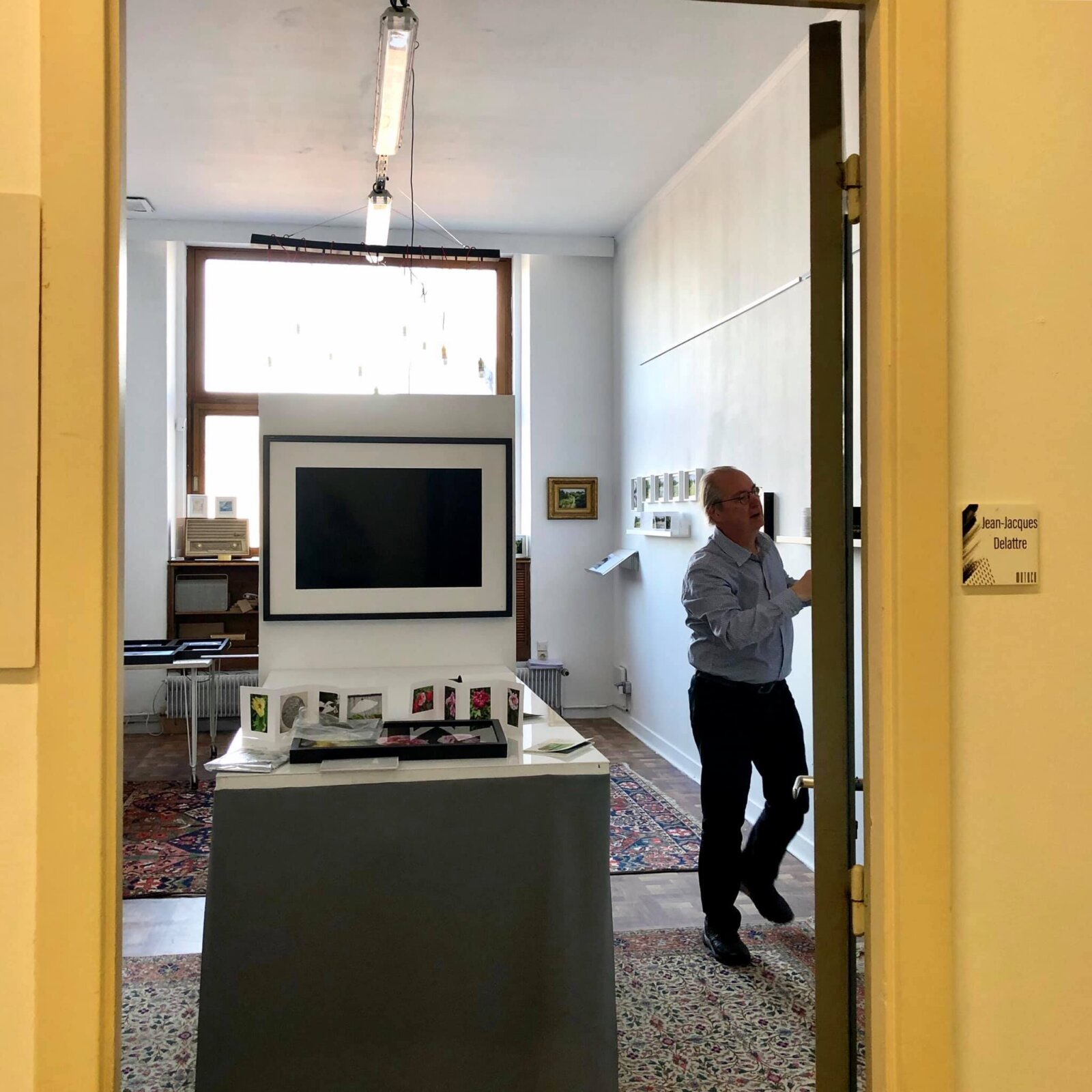
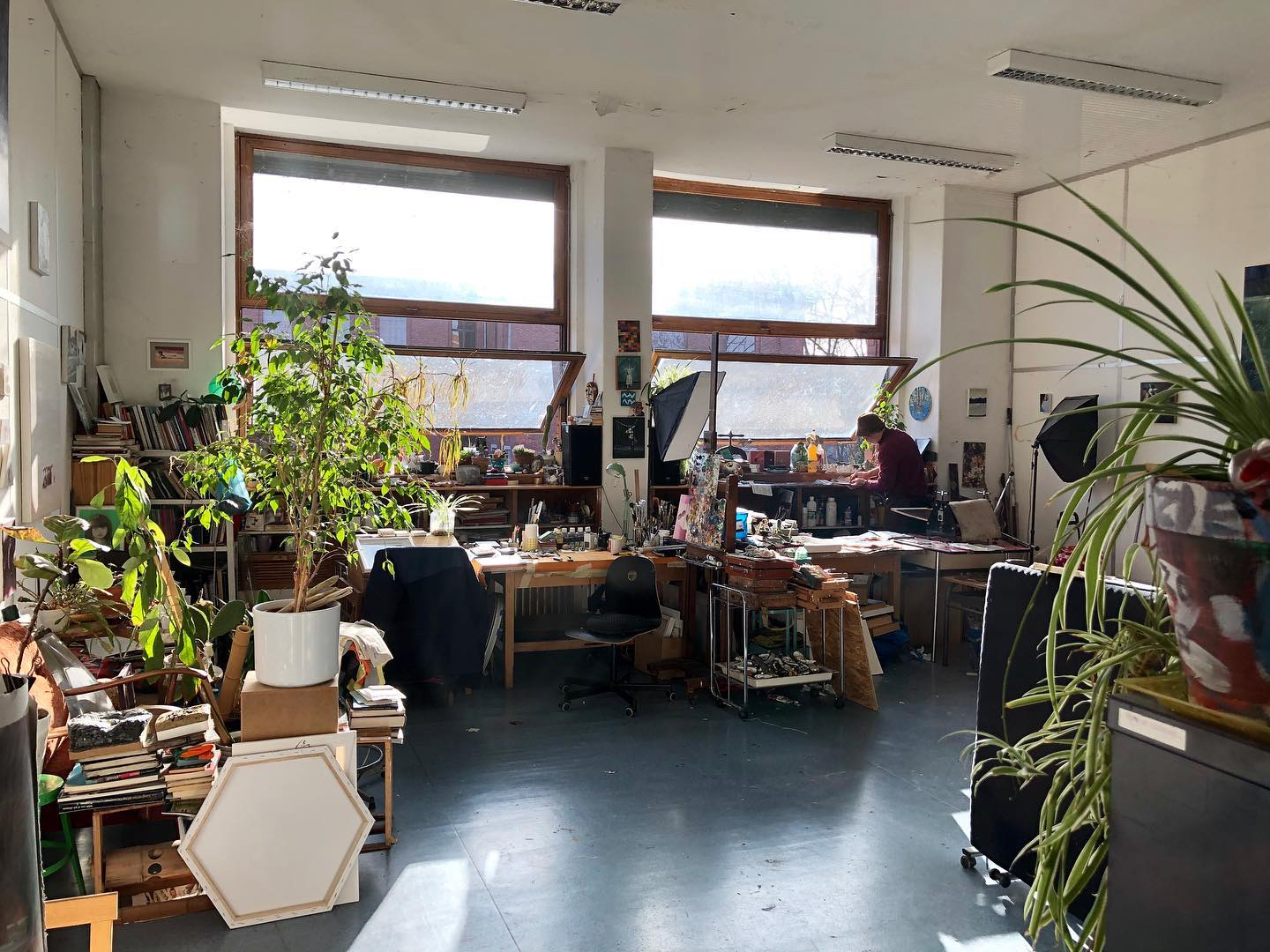
Motoco is located at the heart of the DMC site (Building 75) and represents the first project in this broader transformation ambition. Firmly creative and well-structured, its development responds to the regional commitment to convert the site into a space for mixed and emerging activities.

Motoco occupies three floors, with activities distributed as follows:

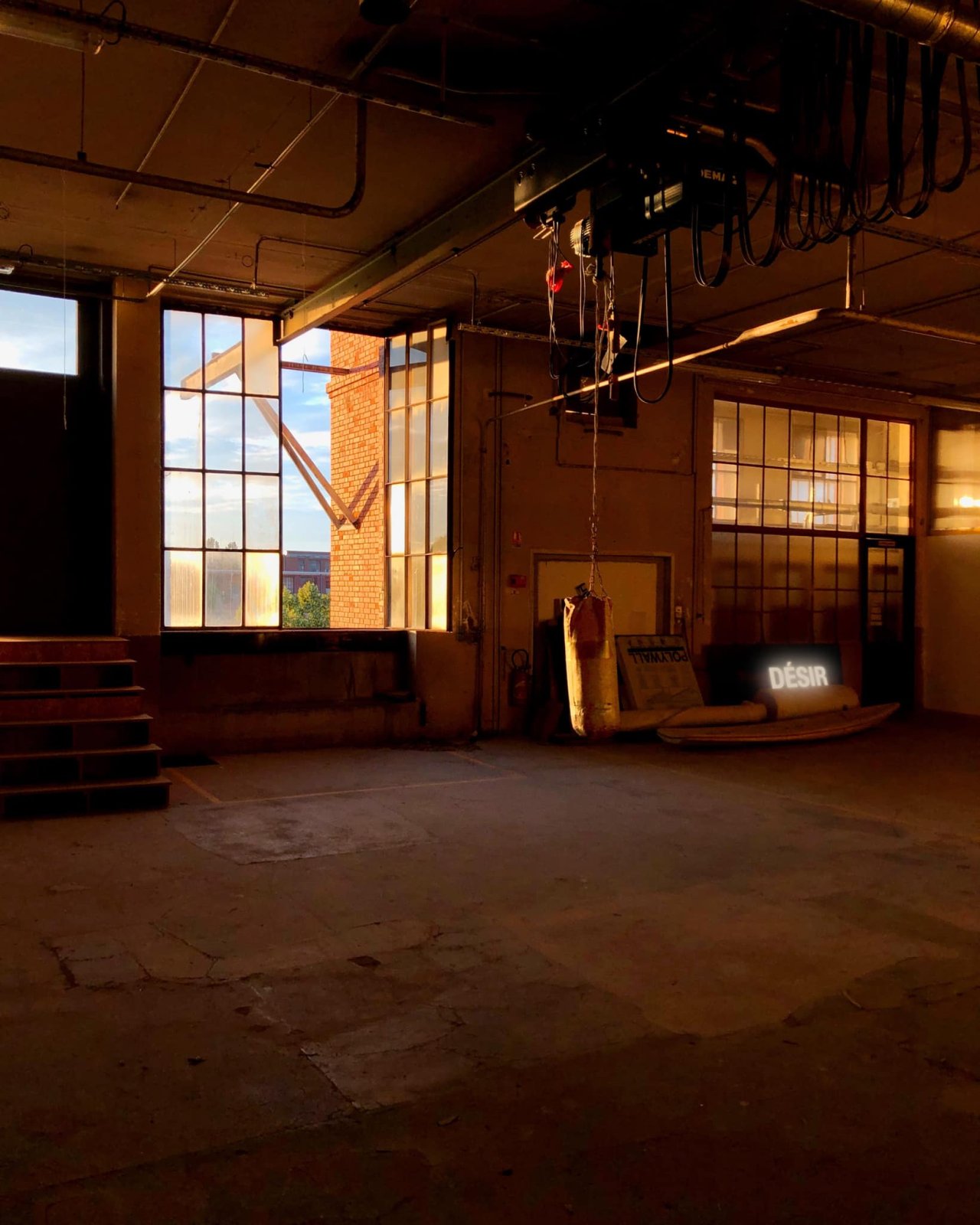
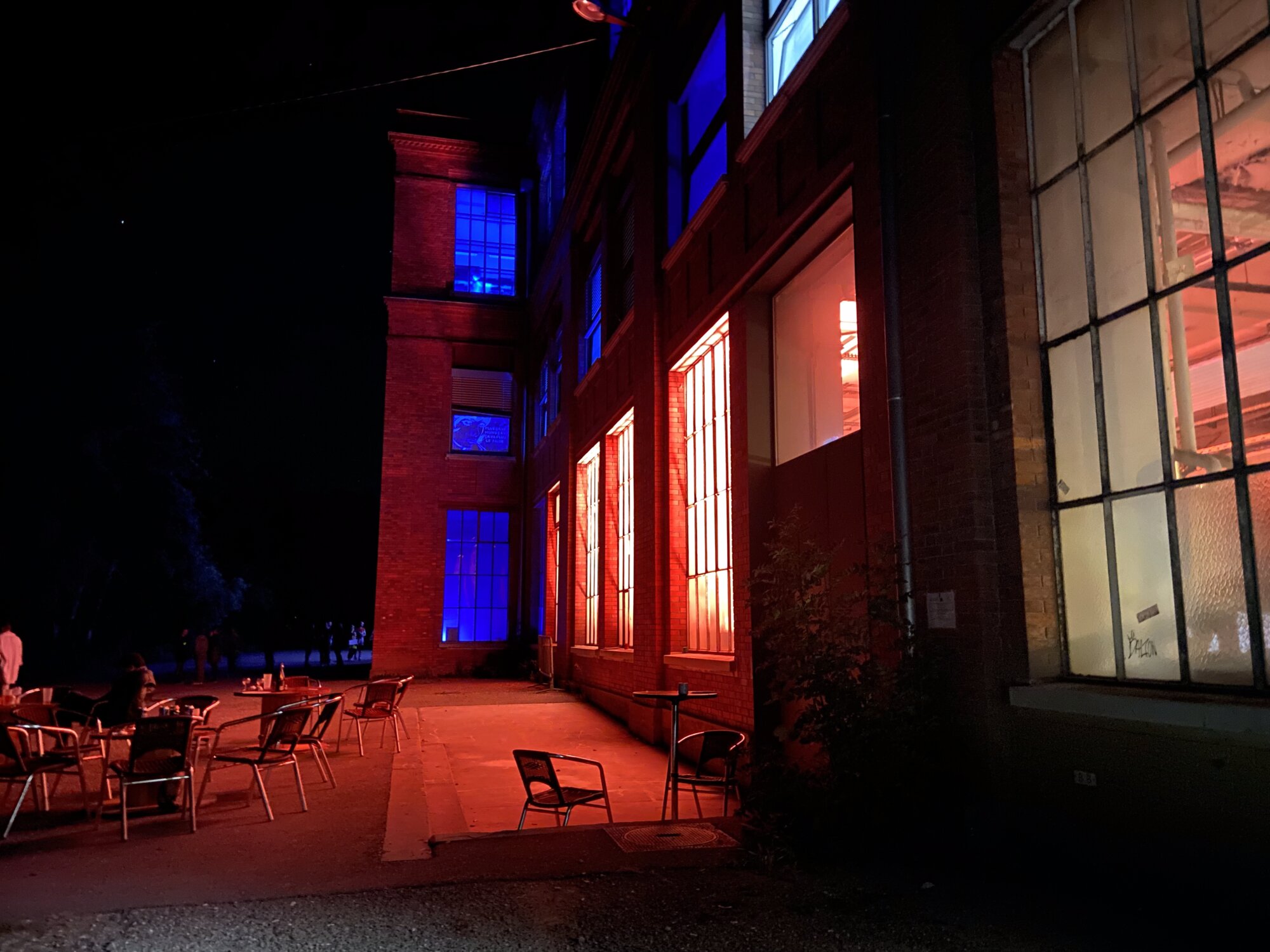
  • Ground floor: two event spaces (maximum capacity: 1,200 people) + the image and woodworking hubs
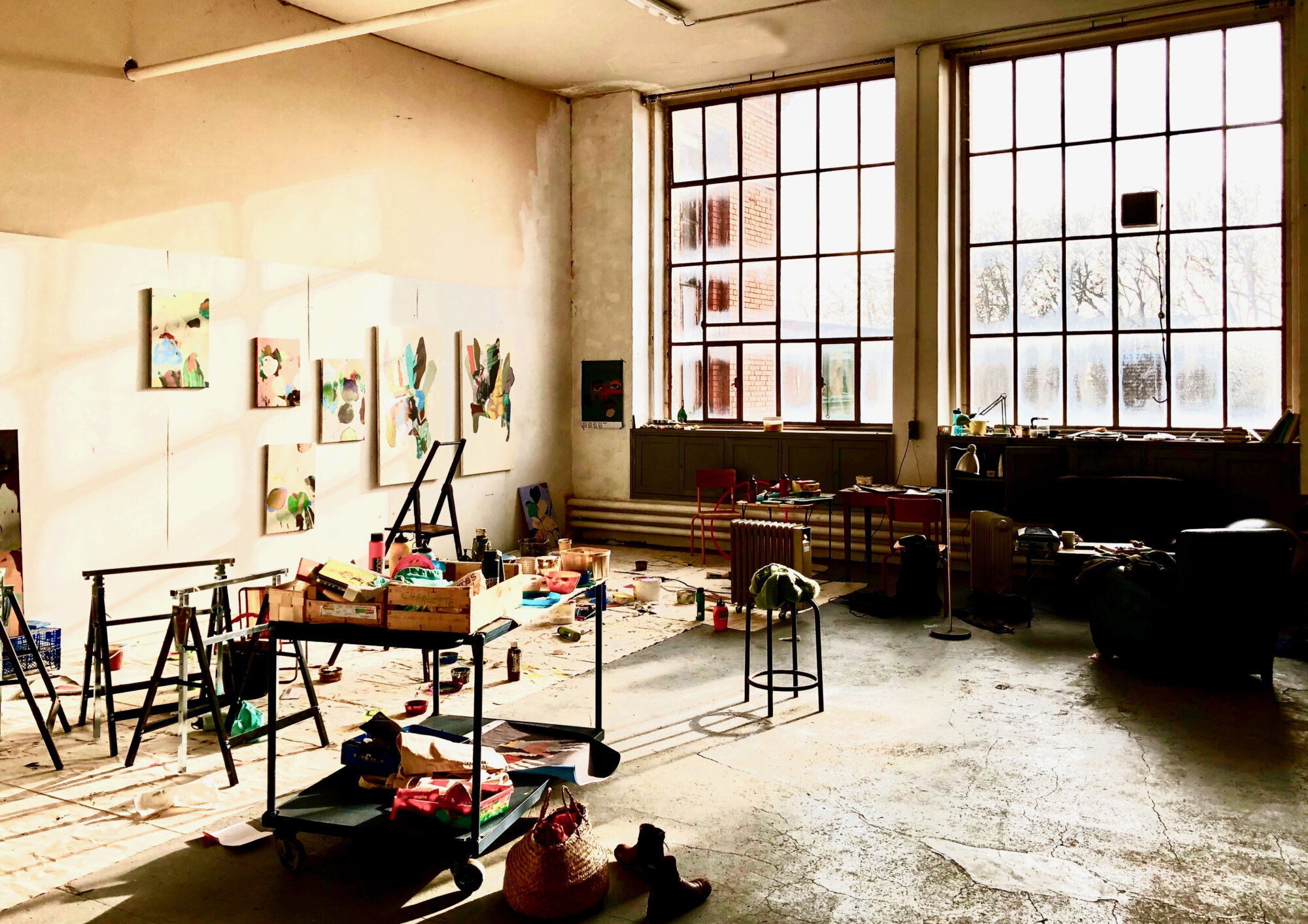
  • 1st and 2nd floors: nearly 80 studios ranging from 10 to 200 m².